

ADHD or Anxiety? Why It's Not Always Easy to Tell
Most parents assume that if their child can't focus, sits still, or keeps forgetting things, it must be ADHD.
In reality, anxiety can produce nearly identical symptoms, and the two often show up together, making it hard to know which one is actually driving the struggle.
Our latest blog, "ADHD or Anxiety? Why It's Not Always Easy to Tell," breaks down why these conditions overlap, why getting the distinction right matters for treatment, and how psychological testing at EBMC can bring clarity where guesswork falls short.
If you've been wondering whether your child's struggles are ADHD, anxiety, or both, this one's for you.

When Weekly Therapy Isn't Enough
Most people assume that if therapy isn't working, the answer is just to try harder or find a new therapist.
In reality, sometimes the issue isn't fit or effort. It's intensity: weekly sessions alone aren't built to carry what's happening right now.
Our latest blog, "When Weekly Therapy Isn't Enough," breaks down two common step-up options, Intensive Outpatient Programs (IOP) and Partial Hospitalization Programs (PHP), and where EBMC's Samsara Intensive Therapy Program fits for people who need more than weekly support but not a residential stay.
If you or someone you love is doing everything right in therapy and still struggling to keep up with daily life, this one's for you.

What Psychological Testing Can (and Can't) Tell You
Most people imagine psychological testing as a single questionnaire that spits out a diagnosis.
In reality, it's closer to a full diagnostic workup — one that can bring real clarity, but also has real limits.
Our latest blog, "What Psychological Testing Can (and Can't) Tell You," breaks down what a psychological assessment actually involves, what it can reveal (like distinguishing between look-alike conditions such as anxiety and ADHD), and what it can't (a permanent label, or a substitute for clinical judgment).
If you've ever wondered whether an evaluation makes sense for you or your child before starting treatment or medication, this one's for you.

The Quiet Work of Becoming More Honest With Yourself
Becoming more honest with yourself does not always happen through a sudden breakthrough.
More often, it begins quietly — by noticing the tension in your body when you say yes but mean no, the sadness that follows certain conversations, or the needs you keep explaining away.
Our latest blog, “The Quiet Work of Becoming More Honest With Yourself,” explores how therapy can help us listen more carefully to what we feel, need, avoid, and value.
Honesty is not about judging yourself or forcing immediate change. It is about creating enough inner safety to tell the truth more fully.

When You’re Functioning, But Not Okay
Many people wait to seek therapy until they are in crisis.
But emotional pain does not always look like falling apart. Sometimes it looks like going to work, answering emails, caring for others, and doing everything that needs to be done — while feeling exhausted, disconnected, or quietly overwhelmed inside.
Being able to function does not mean you are okay.
Our latest blog, “When You’re Functioning, But Not Okay,” explores the hidden strain of keeping it together, and why therapy can be helpful long before things become unmanageable.

Rest as a Mental Health Practice
In a culture that often equates rest with stepping back, slowing down can feel uncomfortable — even indulgent. But rest is not about withdrawing from life. It is about sustaining our capacity to be present for it.
Our latest EBMC blog post, “Rest as a Mental Health Practice,” explores how rest can support emotional balance, resilience, and a more grounded relationship with ourselves.

Finding Steadiness in Uncertain Times
In uncertain times, many of us instinctively search for something to hold onto — a clear answer, a plan, a sense of control.
This post explores how mindfulness can help us return to the present moment with greater gentleness, awareness, and compassion when life feels unclear.
Rather than asking us to eliminate uncertainty, mindfulness invites us to stay connected to ourselves within it.
In the post, we reflect on:
why uncertainty can feel so overwhelming
how grounding in the present can help
what steadiness can look like, even when life feels unresolved
We hope this piece offers a small anchor for anyone moving through a season of not knowing.

Staying Grounded When Someone You Love Is Struggling
When someone we love is struggling, it is easy to become overwhelmed, over-responsible, or emotionally consumed. This post explores how mindfulness can help us stay grounded, care with compassion, and maintain healthy boundaries even when we cannot fix another person’s pain.

Why You Keep Reacting the Same Way (And How Mindfulness Changes the Pattern)
Why do intelligent, self-aware people keep repeating the same reactive patterns?
Because insight is not the same as nervous system regulation.
When we feel criticized, overwhelmed, or uncertain, the body organizes first. Heart rate shifts. Muscles tense. Thinking narrows. In that state, choice shrinks.
This month on the EBMC blog, we explore the concept of “modes of mind” — patterned states that shape how we respond under stress — and how mindfulness-based therapy helps create space between trigger and reaction.
Change doesn’t begin with force.
It begins with awareness.
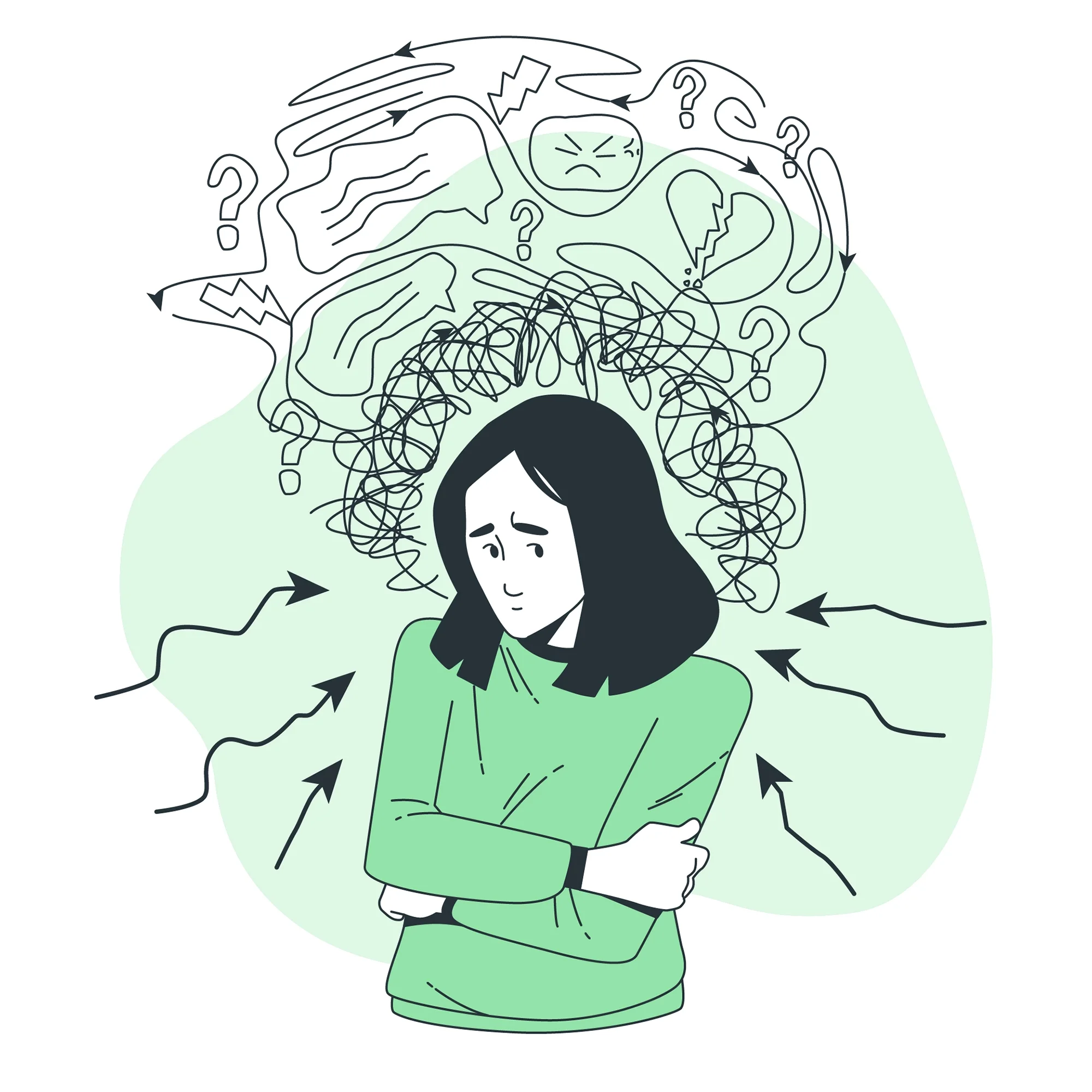
How Mindfulness Helps Reduce Anxiety: What the Research Says
Does mindfulness actually help with anxiety? Research suggests it does — not by eliminating anxious thoughts, but by changing our relationship to them. Mindfulness supports nervous system regulation, reduces avoidance, and helps people respond to anxiety with more awareness and choice. Our latest blog breaks down what the research says.

A Brief History of Mindfulness — And Why It Still Matters Today
Mindfulness is often discussed as if it’s a 21st-century wellness trend — something that arrived with yoga studios, wearable tech, and meditation apps. But the truth is much deeper: mindfulness has a long, diverse, and multicultural lineage. Its roots stretch across continents and centuries, shaped by traditions that all wrestled with the same human questions—How do we deal with suffering? How do we steady the mind? How do we respond, rather than react?

Why Mindfulness Is a Core Skill in DBT, ACT, and Other Therapies
Why do so many evidence-based therapies — DBT, ACT, MBSR, and others — treat mindfulness as essential?
Because mindful awareness helps us see our internal experience clearly, create space between emotion and action, and choose responses that reflect our values.
Our new blog post breaks down how mindfulness supports emotional regulation, resilience, and long-term change across therapeutic approaches.